Montana weather changes its mind often, and your HVAC has to keep up. In Billings, MT, a cold morning can turn mild by lunch. Then the wind shows up and changes the whole feel of the house. Those quick shifts make your system start, stop, and settle repeatedly. Over time, that extra effort can show up as higher bills and uneven comfort.
You do not need to live at the thermostat to fix that. A few steady habits, plus seasonal service, can make a real difference. Think in seasons, not single days. When conditions stay unpredictable, your system needs predictable care. That approach reduces strain and cuts down on surprise failures.
Why Temperature Swings Hit HVAC Systems Hard
HVAC equipment runs best with steady demand. Montana delivers spikes, dips, and sudden pivots. During sharp drops, heating runs longer and harder. During warm-ups, the system may switch to shorter cycles. Those constant changes can interrupt smooth operation.
More starts and stops can stress motors, controls, and electrical connections. Efficiency can dip when the system never finds a rhythm. Comfort can drift, especially in older homes with drafts. You might feel one room roasting while another stays stubbornly cool. That mismatch often sends people chasing the thermostat all day.
What Extreme Cold Does To Heating Performance
Deep cold forces long run times from furnaces and heat pumps. Long cycles deliver heat, but they also demand more from key parts. Igniters, blowers, and safety controls carry that burden. If a part is weakening, winter tends to reveal it fast. It is rarely subtle when it happens.
Dry winter air can make a warm home feel cooler than it is. Many homeowners raise the thermostat to compensate. That adds runtime and fuel use. It can also magnify small airflow issues. Comfort becomes harder to hold, even at the same setpoint.
How Summer Heat and Wind Stress Cooling Equipment
Billings summers can jump from pleasant to hot in a hurry. Your outdoor unit must shed heat into already warm air. When outdoor airflow is reduced, heat removal gets harder. That can lengthen cooling cycles and raise operating strain. Some homes feel almost cool, but never quite comfortable.
Wind brings dust, seed fluff, and debris that can interfere with airflow around outdoor equipment. Reduced airflow lowers efficiency and can increase wear on the fan motor and compressor. You may notice warmer rooms and longer runtimes. Sometimes the system sounds different, too. If those patterns show up, it is worth scheduling a professional evaluation.
Schedule Maintenance Before Peak Demand
Preventive maintenance works best before the season ramps up. A fall visit prepares your system for prolonged winter operation. A spring visit sets up cooling equipment for heat and windy conditions. This timing helps lower the risk of breakdowns when demand is highest. It also gives you options instead of panic.
During a visit, we check performance and safety, not just surface symptoms. We verify airflow, inspect controls, and examine electrical connections for signs of stress. We also look for early wear that can turn into a mid-season failure. Our maintenance and repairs services help your system handle Montana’s rapid shifts. That is the goal, steady comfort without drama.
Know the Warning Signs Before They Escalate
Temperature swings can hide problems until the next extreme day arrives. A system may seem fine during mild weather. Then a cold snap hits, and weak parts fail under load. Watching for recurring signs helps you act sooner. It is easier to schedule service before the calendar fills up.
Listen for new noises and watch for comfort changes across rooms. Frequent cycling can point to control or airflow issues. Weak airflow can reduce comfort and strain equipment. A rising bill without a clear cause can also be a signal. Here are some other signs to watch for:
- Frequent cycling
- Uneven temperatures
- New rattles, squeals, or buzzing
- Airflow that feels weaker
- Energy costs creeping upward
Filters Matter More in Windy, Dusty Montana
Windy conditions can load filters faster than many homeowners expect. A clogged filter restricts airflow and increases system effort. That extra effort can raise energy use and shorten component life. Comfort may feel less even from room to room. The house can also feel stuffier than normal.
Follow guidance that fits your equipment and household conditions. Homes with pets or rural dust often need more frequent changes. Filter choice matters, since overly restrictive options can reduce airflow.
Limit Rapid Cycling and Temperature Overcorrection
Rapid cycling is a start-stop pattern that can wear out equipment over time. It can also make the house feel unsettled. In swing seasons, cycling issues often become more noticeable. The system works harder without delivering better comfort. That is frustrating and expensive.
Thermostat settings and control setup influence cycling more than most people realize. Placement matters, too. A thermostat near a drafty doorway can “lie” to the system. We can evaluate compatibility and tune settings for steadier operation.
Give Outdoor Equipment the Airflow It Needs
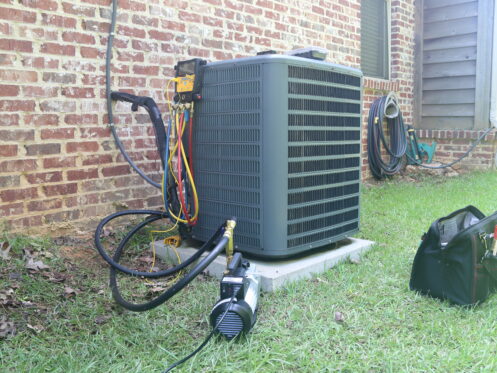
Outdoor units need room to breathe. When airflow is blocked, heat transfer suffers and efficiency drops. Montana debris can pile up quickly during windy stretches. That can lead to longer runtimes and higher strain. Sometimes the first clue is simply a home that cannot catch up.
Homeowners can keep the area around the unit free of stored items and obvious obstructions. For anything beyond basic clearing, contact a professional. Outdoor components are easy to damage accidentally. A service visit can also identify airflow problems before they become failures. That is especially helpful before peak summer heat.
Use Shoulder Seasons To Evaluate System Health
Spring and fall can switch between heating and cooling needs within days. Those quick transitions reveal issues that steady seasons may hide. It is also an easier time to schedule service. You are less likely to be stuck waiting in line for an emergency call.
If repairs are becoming more frequent, plan before the next extreme stretch. If the system is older, a performance review can clarify your options. Decisions feel clearer when you are not freezing or overheated. We can help you weigh repair versus replacement based on reliability and comfort goals. You should feel confident, not cornered.
Smarter Controls and Cleaner Airflow for Montana Homes
Adding a smart thermostat can smooth out Montana’s fast temperature changes by reducing overcorrection and unnecessary cycling. It can learn your schedule and keep temperatures steadier. Some models also alert you when runtime trends look unusual. That heads-up can prevent a small issue from becoming a weekend emergency. It is like having a calmer co-pilot for your comfort.
Instead of focusing on “better filters,” focus on choosing the right MERV rating for your home and equipment. A higher MERV rating can capture more airborne contaminants like dust, pet dander, and windblown debris. But it still needs to allow proper airflow for your system. The goal is cleaner air without making your equipment fight to breathe.
Superior HVAC Maintenance Service in Billings, MT
Montana’s temperature swings will keep happening, but comfort can stay steady. Consistent maintenance helps your system run more smoothly and last longer. In Billings, MT, Central Heating & Air Conditioning provides trusted HVAC maintenance service that supports reliable performance through abrupt weather changes. We also offer HVAC repairs, system replacements, and new installations when your home needs an upgrade. Contact Central Heating & Air Conditioning today for more information!