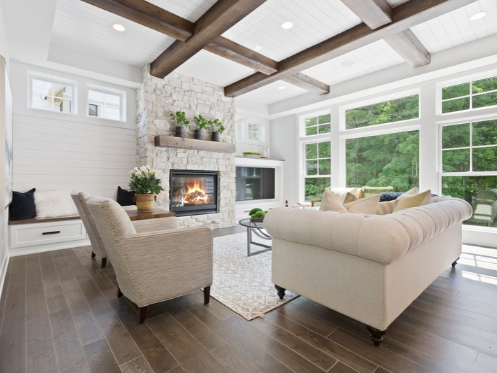
How to Reduce HVAC Strain When Using a Wood Stove or Fireplace
A wood stove or fireplace adds welcome warmth during a cold Billings winter, but it can also complicate how your central heating system works. The result may be uneven temperatures, cold rooms, and extra strain on your furnace.
Coordinating both heat sources can improve comfort, reduce equipment wear, and keep temperatures more consistent throughout your home. The following tips will help you balance your fireplace or wood stove with your HVAC system.
Use Your Wood Stove or Fireplace as Supplemental Heat
Your wood stove or fireplace is a helper, not a replacement, for your central furnace. Its radiant heat works best at warming the room it’s in. That can reduce how often your furnace runs to heat that area. This can help lower your heating bills while you enjoy the ambiance of a real fire.
Remember, wood heat isn’t designed to warm your entire home evenly. Bedrooms, bathrooms, and basements will likely remain cool without your central system. Always keep your furnace ready, especially during deep freezes in Montana. This provides a reliable backup to maintain a safe, comfortable temperature in every room.
Be Careful Where Your Thermostat Senses Temperature
One of the most common issues when using a fireplace is its effect on the thermostat. If your thermostat is in the same room as the wood stove, the intense heat can trick it into thinking the entire house has reached the desired temperature. As a result, the thermostat won’t signal the furnace to turn on, even if distant bedrooms are uncomfortably cold.
This can lead to a frustrating cycle of one room being too hot while others are too cold. Instead of constantly adjusting the thermostat, pay attention to the actual temperature differences between rooms. Recognizing this pattern is the first step to finding a better balance between your two heating sources.
Avoid Extreme Thermostat Setbacks
When the fire is roaring, it might be tempting to turn your thermostat down to save energy. However, setting it too low can be counterproductive. If you let the rest of your home get too cold, your furnace will have to work much harder to raise the temperature back up later. These long, demanding recovery cycles can put significant strain on the system.
A better approach is to use a moderate setback. Lower the thermostat by a few degrees, but keep it high enough that the furnace can still kick on to prevent other areas from becoming frigid. This allows your central heating to provide support when needed, maintaining a more stable and comfortable environment throughout the day and night.
Keep HVAC Vents and Returns Open
Your central heating system relies on balanced airflow to function correctly. Many homeowners believe closing supply vents in unused rooms forces more warm air where they want it. Actually, this disrupts the system’s balance, increases pressure in the ductwork, and makes the blower motor work harder.
Proper airflow is essential for efficiency and equipment longevity. Make sure all supply and return air vents are open and unobstructed. Check that furniture, rugs, and curtains aren’t blocking them. By letting air circulate as the system was designed, you help your furnace run efficiently without unnecessary strain.
Check the HVAC Filter More Often
Burning wood, even cleanly, can introduce fine particles, soot, and ash into your indoor air. Your HVAC system’s filter is the first line of defense, capturing these airborne contaminants before they can circulate throughout your home or settle inside your equipment. When you use a wood stove or fireplace regularly, this filter will likely get dirty much faster.
A clogged air filter restricts airflow, forcing the blower fan to work harder to pull air through. This extra effort not only wastes energy but also strains the motor. Check your filter more frequently during the heating season and replace it according to the manufacturer’s guidance to protect your system and maintain good indoor air quality.
Burn Wood as Cleanly as Possible
The quality of the wood you burn directly impacts the amount of smoke and particulates released into your home’s air. For a cleaner, more efficient fire, always use properly seasoned, dry hardwood. Well-seasoned wood has a low moisture content, allowing it to burn hotter and more completely, which minimizes smoke production and creosote buildup in your chimney.
Avoid burning green wood, treated lumber, or trash, as these can release harmful chemicals and produce excessive smoke. Cleaner burning not only improves air quality but also contributes to the overall health of your wood-burning appliance.
Do Not Assume the HVAC Fan Will Distribute Fireplace Heat
Some people try to circulate heat from a wood stove by turning their HVAC system’s fan setting from “AUTO” to “ON.” The theory is that the fan will pull the warm air into the return vents and distribute it throughout the house. While this might have a minor effect, it’s often not an efficient solution.
Your ductwork was designed to distribute air from the location of your furnace, not your fireplace. Running the fan continuously may not move warm air effectively where it’s needed and can even cool it as it travels through ducts in unheated spaces like attics or crawlspaces. Before relying on this method, seek professional guidance.
Watch for Signs Your Heating System Is Still Under Strain
Even with careful management, your furnace can experience issues. Distinguish between heat-distribution problems and signs of an underlying HVAC malfunction. If you notice any of the following, your system may need professional attention.
- More frequent furnace cycling
- Weak airflow from supply vents
- Persistent hot and cold spots
- Struggles to maintain the thermostat setting
- Unusual grinding, squealing, or banging noises
- Rising heating costs despite fireplace use
These symptoms can indicate a problem with the furnace itself. Addressing them promptly can keep a small issue from becoming a major breakdown during a cold snap.
Keep Both Heating Systems Maintained
The best way to achieve reliable and efficient performance is to maintain both of your heating systems. Schedule regular professional furnace maintenance each fall to keep your central heating clean, safe, and ready for winter. A well-maintained furnace operates more efficiently and is less likely to fail when you need it most.
At the same time, don’t neglect your wood-burning appliance. A certified chimney sweep’s annual inspection and cleaning are essential for safety and performance. Maintaining both systems allows you to use your supplemental heat source with confidence, knowing your primary system is in top condition. Always keep working smoke and carbon monoxide alarms in your home for safety.
Keep Your Billings Home Comfortable With Central Heating & Air Conditioning
A wood stove or fireplace can be a fantastic asset for any home in Billings, providing warmth and comfort throughout the winter. When used carefully alongside your central heating system, you can enjoy the best of both worlds. By maintaining proper airflow, using reasonable thermostat settings, changing your filter, and keeping up with maintenance, you can reduce strain on your HVAC equipment and stay comfortable all season long.
For over 79 years, our family-owned team has been dedicated to keeping our neighbors warm. If you’re having furnace issues or want to make sure it’s ready for the cold, our experts can help with professional heating maintenance and repair services.
When you need expert heating service in Billings, MT, to keep your system running smoothly, contact Central Heating & Air Conditioning to schedule an appointment.