
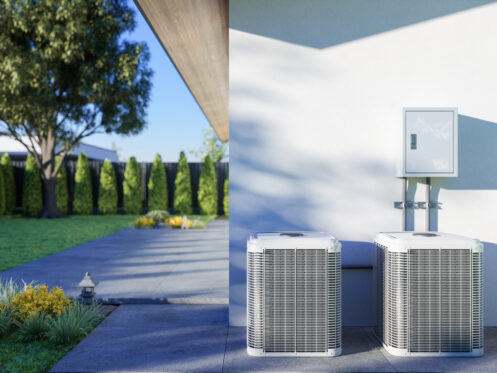
In order to work well, outdoor HVAC units, commonly called a condenser, heat pump, or packaged unit, need open space around them. In Billings, summer landscaping can crowd the cabinet and block airflow. Winter brings another set of problems, including snow, ice, drifting, and roof runoff.
The outdoor system needs more than just a level place to sit. It also needs room to breathe, drain, and stay reachable for service. A little yard awareness can help your heating and cooling equipment handle Montana weather with fewer surprises. It also makes seasonal maintenance easier to plan.
Outdoor Units Need Clear Airflow on All Sides
Your outdoor unit moves heat by pulling air through the cabinet and releasing it outside. Shrubs, tall grass, fencing, stored items, and yard clutter can restrict that air movement. When airflow is tight, the system may run longer than it should. It may also struggle during the hottest and coldest parts of the year. That can lower efficiency and make comfort more difficult during temperature extremes. It can also add strain during a hot Billings afternoon or cold winter stretch.
Keep the area around your air conditioning equipment open enough for steady airflow. Clear space is not about a clean-looking landscape design. It is about giving the unit enough breathing room.
Leaves, Grass, and Cottonwood Debris Can Build Up Fast
Billings yards can affect outdoor equipment. Grass clippings, leaves, seed pods, and cottonwood debris can collect around the cabinet. Some debris can also press against the coil, blocking airflow. After mowing or windy weather, buildup can collect around the outdoor unit.
This buildup can trap moisture, forcing the system to work harder to move heat. Loose material around the outside is worth noticing after mowing or storms. Deeper cleaning is not a task homeowners should do, because the cabinet and internal parts are easy to damage. Many wires and coils can be bent. During AC maintenance, our technicians can clean areas homeowners should not open or service.
Plants Should Provide Clearance, Not Crowding
Landscaping can soften the look of an outdoor unit without boxing it in. The key is distance. Plants should screen the equipment while still leaving room for airflow and service access. That balance keeps the yard tidy without crowding the system.
Dense shrubs, vines, and low branches can creep closer as the season goes on. They may touch the cabinet, drop debris, or block the top discharge area. Trimming growth back early can prevent comfort issues later. It also gives technicians a safer path to reach panels and connections. Choose clearance over camouflage, especially near fast-growing plants.
How Much Space Should You Leave Around an Outdoor HVAC Unit?
Most outdoor units need open space around the sides and a clear path above the fan. A common starting point is two to three feet around the cabinet. The top should stay free of branches, decking, storage, and other obstructions.
Exact clearance can vary by brand, model, and installation type. The manufacturer’s requirements should guide the final answer. Professional guidance also matters when fencing or landscaping sits nearby. Technicians need room to reach the service panel safely. Good spacing helps airflow and makes inspections and repairs easier. It can also prevent yard changes from creating hidden service problems.
Poor Drainage Can Undermine the Unit Pad
Drainage around the outdoor unit matters in every season. Downspouts, irrigation runoff, and melting snow can wash soil away from the pad. Water can also collect around the base if the ground slopes poorly. That wet area can soften the support beneath the equipment.
When the pad shifts, the unit may stop sitting level. That can increase vibration and stress refrigerant lines or electrical connections. Standing water can also create muddy service conditions and slow drainage near the equipment. You don’t want the outdoor unit to flood. If the unit leans or settles, have it checked before stress builds.
Snow Drifts Can Block Heat Pumps in Winter
Heat pumps need airflow even when outdoor temperatures are low. Snow packed against the sides can limit that airflow and affect heating performance. Drifting can happen quickly in open areas around Billings, especially after wind.
Keep snow cleared around the unit, but work carefully near the cabinet. Avoid striking the coil, fins, wiring, or refrigerant lines. A soft broom is safer than hard impacts near the equipment. The unit also needs space above it, since buried tops can trap air. If the heat pump struggles after a storm, schedule service before forcing it to run longer. That check can protect comfort during colder weather.
Ice Around the Unit Is Different From Normal Frost
Some frost can be normal on a heat pump during cold weather. The system should manage light frost through its defrost cycle. Heavy ice buildup is different and should not be ignored.
Repeated icing may point to airflow trouble, drainage trouble, or a system issue. Roof runoff can also freeze around outdoor equipment. Gutters, rooflines, and dripping water often cause ice where it does not belong. Ice can interfere with the fan and block airflow through the coil. If the unit keeps icing over, a professional inspection is the safer next step. Take roofline ice seriously when it returns often.
Outdoor Unit Problems to Watch for After Yard Work or Snow
After mowing, trimming, or a winter storm, take a quick look at the outdoor unit. You do not need to open panels or touch internal parts. Just look for changes that could affect airflow, drainage, or safe operation.
- Grass clippings packed around the unit
- Bent fins or visible cabinet damage
- Shrubs touching the equipment
- Standing water near the pad
- The unit leaning or shifting
- Snow packed against the sides
- Ice forming from roof runoff
- New rattling, buzzing, or vibration
- Weak heating or cooling after a storm
These signs do not always mean major damage. They are worth checking before the system must run harder. If performance changes, an AC repair visit can identify the cause.
Service Access Matters
Outdoor equipment needs room for more than airflow. Technicians also need safe access to inspect, clean, test, and repair the unit. Tight fencing, locked gates, buried panels, or overgrown shrubs can slow that work. A clear route also helps during bad weather.
During peak heating or cooling seasons, delays can make an uncomfortable home feel worse. Clear access helps our team bring in tools and reach service panels without extra obstacles. It also supports faster HVAC maintenance and repairs when comfort problems appear. A simple path to the unit can save time when service matters most.
Keep Your Outdoor HVAC Unit Protected With Central Heating & Air Conditioning in Billings, MT
Landscaping and snow management can make a real difference for outdoor HVAC equipment. Clear airflow, steady drainage, and safe service access help the unit handle Montana weather. If your system is crowded, icing up, sitting in water, or making new sounds, we can help.
Central Heating & Air Conditioning is a family-owned company with decades of local experience. We serve Billings homeowners, businesses, and manufactured homes with dependable heating and cooling support. Our emergency service is available anytime.
Contact Central Heating & Air Conditioning today for outdoor HVAC inspection and service in Billings, MT.